
Scleral Lenses vs. Regular Contacts: Which Is Better for Dry Eyes and Keratoconus?
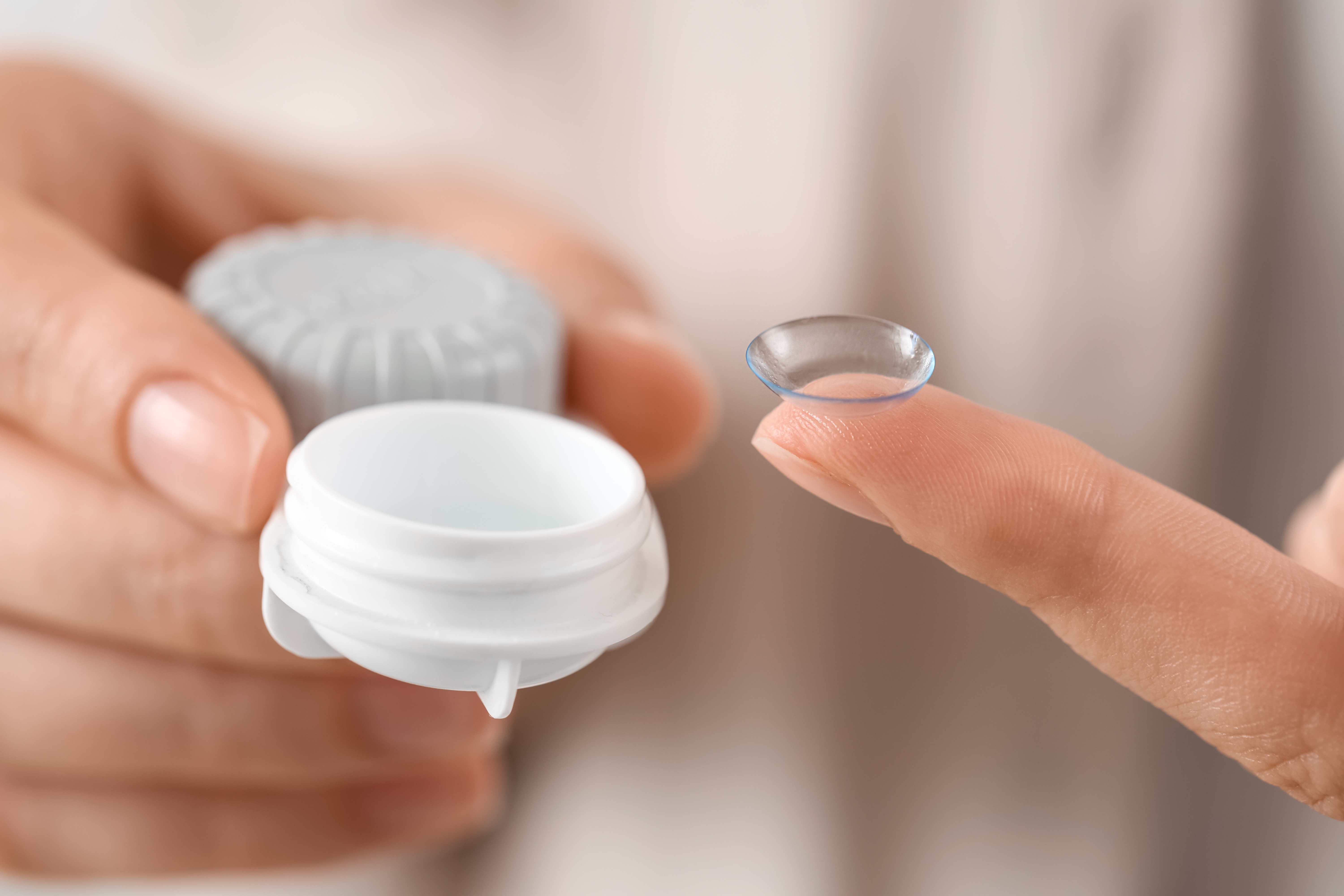
Contact lenses can provide clear, comfortable vision, but not every lens works for every eye. If you struggle with chronic dry eyes, keratoconus, or discomfort from traditional contacts, you may benefit from a different type of lens. Scleral lenses offer an alternative for patients who have difficulty wearing conventional contact lenses.
At Foresight Optometry in Concord, CA, we understand that finding the right contact lenses involves more than correcting your prescription. Understanding the differences between scleral lenses and regular contacts can help you make an informed decision about your eye health.
What Is the Difference Between Scleral Lenses and Regular Contacts?
Traditional soft contact lenses rest directly on the cornea, the clear front surface of your eye. They are lightweight, flexible, and effective for many common vision problems, including nearsightedness, farsightedness, and astigmatism.
Scleral lenses are larger, rigid gas-permeable lenses that rest on the sclera, or white part of the eye. They vault over the cornea, creating a space filled with sterile saline solution.
This design provides a smooth optical surface while maintaining a fluid reservoir between the lens and cornea. For patients with irregular corneas or certain ocular surface conditions, scleral lenses may offer improved vision and comfort.
Are Scleral Lenses Better for Dry Eyes?
Dry eye syndrome occurs when your eyes do not produce enough tears or when tears evaporate too quickly. Symptoms can include burning, irritation, fluctuating vision, and discomfort while wearing contacts.
Traditional soft contacts may worsen these symptoms for some patients, especially when the tear film is unstable.
Scleral lenses may benefit patients with moderate to severe dry eye because their fluid reservoir keeps the corneal surface bathed in saline during wear.
Potential benefits include:
• Improved comfort for some patients with chronic dry eyes
• A protective barrier between the cornea and external irritants
• More stable vision when tear film problems cause fluctuating clarity
• Reduced friction between the lens and sensitive corneal tissue
• An alternative for patients who cannot comfortably tolerate regular contacts
However, scleral lenses do not cure dry eye syndrome. Additional dry eye treatment may still be necessary to address the underlying causes.
Why Are Scleral Lenses Often Recommended for Keratoconus?
Keratoconus is a progressive eye condition that causes the cornea to become thinner and develop an irregular, cone-like shape. This can result in distorted vision, increased astigmatism, and difficulty achieving clear vision with glasses or soft contacts. Because scleral lenses vault over the irregular cornea, they create a smoother refractive surface that can significantly improve vision for many patients with keratoconus.
Unlike traditional contacts, scleral lenses do not depend on matching the cornea's irregular shape. However, they do not stop keratoconus progression, and some patients may need additional treatment to stabilize the cornea.
How Do You Know Which Contact Lenses Are Right for You?
The best contact lenses depend on your corneal shape, tear film, prescription, and overall eye health. While regular soft contacts work well for many patients, scleral lenses may be worth considering if you experience persistent dryness, have keratoconus, or struggle with conventional lenses.
At Foresight Optometry, we take an individualized approach to contact lens care. A comprehensive evaluation can help us assess your vision, examine your corneal health, and discuss suitable lens options. Scleral lenses also require specialized fitting, cleaning, and follow-up care.
If regular contacts are no longer meeting your needs, schedule a contact lens exam with Foresight Optometry to explore options for clearer, more comfortable vision. Visit our office in Concord, CA, or call (925) 672-4100 to book an appointment today.
Helpful Articles
article_category: restorative
article_category: vision therapy
article_category: contact lenses
article_category: health
article_category: conditions
article_category: eye surgery co-management
article_category: exotic
article_category: cosmetic
article_category: products
article_category: psychiatry
article_category: faqs
article_category: cats
article_category: general
article_category: services
article_category: technology
article_category: dogs
article_category: surgical procedures
article_category: aesthetics
article_category: preventative
article_category: ocular disease management
article_category: eyeglasses
article_category: eye health
article_category: large animal
[]
Flowbite is an open-source library of interactive components built on top of Tailwind CSS including buttons, dropdowns, modals, navbars, and more.
Check out this guide to learn how to get started and start developing websites even faster with components on top of Tailwind CSS.
All Eye Care Services
Find personalized eye care excellence with our comprehensive services. From eye exams to advanced diagnostics, trust us for all your vision needs.

Keep In Touch
For non-urgent questions or to learn more about our services, contact us today!

© 2026 Foresight OPTOMETRY. All rights Reserved - Accessibility Statement - Privacy Policy - Sitemap
Managed and Designed by 